


Building Stories Together – Stop Motion for Inclusion

Zajedničko stvaranje priča – stop animacija za inkluziju
Osobe zajednički osmišljavaju i izrađuju kratki stop-motion film. Svaka skupina razvija kratku priču povezanu sa zajedničkom temom koju su odabrali . Svi sudjeluju u različitim dijelovima procesa: izradi priče, scenografije i likova, snimanju, zvuku ili naraciji. Naglasak je na suradnji i uključivanju, a ne na tehničkoj savršenosti.

TEMA
Mediji, kreativnost i interkulturalno učenje

RAZINA
Srednja – s minimalno iskustva u navedenoj tehnici

VELIČINA GRUPE
5-15
osoba (rad u malim grupama od 3 do 4 osobe)

AGE
15+

TIME
180-210
minuta (ili može biti podijeljeno u više sesija)
Provedba korak po korak:
-
Zagrijavanje (15 minuta)
Kratki krug predstavljanja: svaka osoba kaže svoje ime (ako je potrebno) i jednu riječ koja za nju predstavlja „zajednicu” ili „zajednički život”.
Kratko objasnite što je stop-motion: npr. „Stop-motion je način izrade videa tako da se snimi mnogo fotografija predmeta ili crteža, a zatim se one brzo puste jedna za drugom, pa izgleda kao da se kreću.”
Pokažite kratke primjere stop-motion filmova (npr. LEGO ili animacije od papira) kako biste inspirirali sudionike.
Naglasite da se mogu koristiti LEGO kocke, figurice ili jednostavni crteži na papiru za izradu animacija.2. Razvoj priče u malim skupinama (60 minuta)
U grupama od 3–4 osobe osmišljavaju kratku priču povezanu s odabranom temom „zajednice”.
Crtaju glavne scene na storyboard predlošku (dovoljno je 3–5 ključnih scena).
Određuju likove (objekte), rekvizite i potrebne scenografije.
Grupe izrađuju setove i likove koristeći LEGO ili druge predmete.
Vježbaju pomicanje likova i testiraju poziciju kamere.3. Snimanje stop-motiona (40–50 minuta)
Grupe animiraju i snimaju svoje priče scena po scena.
Svaka osoba preuzima ulogu (animator7ica, fotograf/kinja, redatelj/ica, narator/ica itd.).
Facilitator pruža tehničku podršku i prati vrijeme.4. Montiranje (45–60 minuta)
Nakon snimanja, svaka grupa pregledava materijal i odlučuje kako ga složiti u kratki film.
Osobe mogu koristiti jednostavne aplikacije (npr. Stop Motion Studio, iMovie, CapCut) za podešavanje trajanja, dodavanje prijelaza, naslova ili glazbe.
Potiče se dodavanje naracije ili titlova kako bi poruka bila jasnija u različitim jezicima.
Facilitator podržava proces.5. Prikazivanje i dijeljenje (20–30 minuta)
Grupe predstavljaju svoje stop-motion filmove.
Prvo gledanje: osobe gledaju u tišini.
Drugo gledanje: autori/ce objašnjavaju što su željeli izraziti, a ostali dijele svoje interpretacije.
Nakon toga publika daje povratne informacije, postavlja pitanja i reflektira o sličnostima i razlikama u iskustvima.
Naglasak je na značenju i osjećajima, a ne na tehničkoj kvaliteti.6. Dijeljenje izvan grupe (opcionalno)
Ako se osobe osjećaju ugodno, mogu podijeliti svoje stop-motion filmove na društvenim mrežama ili zajedničkim platformama.
Kratko se razgovara o tome kako dijeljenje kreativnog rada može potaknuti dijalog, podići svijest i promovirati interkulturalne perspektive.

Refleksija i evaluacija:
Pitanja za refleksiju:
Kako vam je bilo stvarati priču zajedno?
Kako ste odlučili o ulogama i odgovornostima?
Je li bilo trenutaka kada je trebalo uskladiti različite perspektive? Kako ste to riješili?
Što ste naučili iz perspektiva drugih osoba?
Završetak:
Svaka osoba dijeli jednu riječ koja predstavlja njegovo iskustvo.
Savjeti:
Osigurajte da svaka osoba ima svoju ulogu, čak i ako je mala.
Naglasak stavite na uključivanje i suradnju, a ne na tehničku savršenost.
Ako dođe do nesuglasica oko smjera priče, naglasite da više perspektiva može obogatiti konačni film.
Potičite korištenje metafora i simbola kroz predmete — stop-motion je razigran način izražavanja dubljih značenja.

Varijacije i prilagodbe:
Tematski fokus može se prilagoditi potrebama grupe, npr. okoliš, kulturne proslave itd.
Radionica se može razviti kroz više dana za složeniji rezultat.
Mogu se koristiti jeftiniji materijali umjesto LEGO kockica, poput šarenog papira, kartona i tkanina.
Alternativno, predmeti se mogu zamijeniti ljudima koji preuzimaju različite uloge.
Koristite veće objekte ili unaprijed izrezane oblike za osobe s ograničenom finom motorikom.
Uloge raspodijelite prema snagama osoba, npr. režija, odabir boja, predlaganje priče ili pomicanje objekata, dok netko drugi upravlja kamerom.
Umjesto pomicanja objekata, osobe mogu koristiti fotografije, crteže, izrezane oblike ili kolaže za izradu stop-motion sekvence.
Osobe koje se mogu kretati, ali imaju poteškoće s malim predmetima, mogu sami glumiti uloge kao “živi objekti” u animaciji.
Visual arts activities
Nothing found.

Contact
Iuliana Adriana PAVEL (project manager)
iuliana.pavel@a4action.ro
A4ACTION – Antim Ivireanu Culture House, Islaz Alley, Ghermănești, Snagov, Ilfov District, Romania, 077170
Co-funded by the European Union. Views and opinions expressed are however those of the author(s) only and do not necessarily reflect those of the European Union or the ANPCDEFP. Neither the European Union nor the ANPCDEFP can be held responsible for them.
The project is conducted by the following organisations: A4ACTION (Romania) – coordinator, Udruga Delta (Croatia), InterAktion (Austria), Asociación Espacio Rojo (Spain) and GAIA Museum Outsider Art (Denmark).


Image Theatre — One statue, three meanings
Kazalište slika - jedna statua, tri značenja
Osobe koriste svoja tijela kao materijal za oblikovanje kako bi stvorili statične slike (tableau vivant) koje prikazuju osjećaje, odnose moći ili društvene situacije. Bez riječi, jedna osoba oblikuje položaje drugih osoba uz nježan dodir, a grupa zatim analizira i transformira zamrznutu sliku kako bi istražila opresiju i zamišljala promjenu.

TEMA
Neverbalna komunikacija i osnaživanje

RAZINA
Početna do srednja
VELIČINA GRUPE
8-20 osoba
DOB
16+
TRAJANJE
100 – 120 minuta
Ciljevi
- Istražiti emocije i društvene situacije bez oslanjanja na verbalni jezik
- Razvijati tjelesnu svjesnost i vještine neverbalnog izražavanja
- Stvoriti pristupačan oblik kazališta za osobe s jezičnim barijerama, teškoćama govora ili na spektru autizma
- Analizirati odnose moći i opresiju kroz fizičke slike
- Pretvoriti apstraktne koncepte u konkretne vizualne prikaze
Materijali
Velik otvoren prostor bez prepreka i namještaja
Opcionalno: jednostavni komadi tkanine, stolice ili neutralni rekviziti za obogaćivanje slika
Udobna odjeća koja omogućuje slobodno kretanje
Opis
Kazalište slika, koje je razvio Augusto Boal početkom 1970-ih u Peruu kako bi mogao raditi preko jezičnih barijera, koristi tijelo za stvaranje statičnih slika (tableau vivant) koje prikazuju osjećaje, situacije ili društvene probleme. Jedna osoba djeluje kao „kipar”, oblikujući položaje drugih osoba („glina”) isključivo nježnim dodirom i bez riječi. Grupa zatim istražuje i transformira te zamrznute slike, analizirajući opresiju i zamišljajući promjenu kroz isključivo fizički izraz. Metoda je nastala kada je Boal trebao raditi s autohtonim zajednicama u kojima se nije govorio španjolski.
Provedba korak po korak:
Refleksija i evaluacija:
Pitanja za refleksiju:
Što ste vidjeli i osjetili u različitim slikama koje smo danas stvorili?
Kako vam je bilo stvarati ili sudjelovati u slikama kao „glina”?
Što vas je iznenadilo u komunikaciji bez riječi?
Koji govor tijela prenosi moć? Koji govor tijela prenosi nemoć?
Što ste naučili o temi koju smo istraživali?
Za one koji su bili kipari/ce: kako vam je bilo oblikovati sliku? Koje ste odluke donosili?
Je li vam neverbalni i tjelesni rad otkrio nešto što riječi ne bi mogle?
Kako možemo prijeći iz „stvarne slike” u „idealnu sliku” u stvarnom životu? Koji su potrebni koraci?
Kriteriji evaluacije:
Promatra se razina ugode osoba s neverbalnim izražavanjem, kreativnost i promišljenost u stvaranju slika, dubina promatranja pri analizi slika, sposobnost čitanja i interpretacije govora tijela, spremnost na sudjelovanje u ulozi kipara/ice i gline, kvaliteta kritičke refleksije o stvorenim slikama te poštivanje granica i pristanka tijekom cijelog procesa.
Savjeti:
Uvijek prvo demonstrirajte nježno i poštovano oblikovanje prije nego što to zatražite od osoba.
Prije bilo kakvog dodira osigurajte potpuno i jasno informirani pristanak te podsjetite osobe da ga mogu u bilo kojem trenutku povući.
Započnite s individualnim statuama i radom u parovima prije prelaska na složenije grupne slike.
Osigurajte dovoljno vremena za promatranje — ne žurite s interpretacijom slika; dopustite im da “dišu”.
Validirajte sve interpretacije — slike su višeznačne i ne postoji jedno “točno” značenje.
Za grupe kojima je dodir neugodan ili kulturno neprihvatljiv: stvarajte slike bez fizičkog dodira — kipar/9ca usmjerava, a osobe se sami pozicioniraju prema verbalnim ili vizualnim uputama.
Fotografirajte slike (uz dopuštenje) kako bi se omogućila kasnija refleksija i dokumentacija.
Budite izrazito osjetljivi na kulturne norme vezane uz dodir, rod i osobni prostor.
Osigurajte da su tjelesno različita tijela dobrodošla i valorizirana — sva tijela mogu stvarati snažne slike.
Stvarajte siguran prostor za ranjivost uz jasne sigurnosne granice.
Obratite pažnju ako netko pokazuje nelagodu — diskretno provjerite stanje tijekom pauza.
Varijacije i prilagodbe:
- Višestruke slike sreće: svaka osoba stvara vlastitu individualnu sliku onoga što za nju znači sreća — otkriva raznolikost
- Dovršavanje slike: facilitator/9ca ili jedna osoba započinje sliku, a ostali se postupno uključuju dok slika ne postane “cjelovita”
- “Policajac u glavi”: korištenje kazališta slika za istraživanje unutarnje opresije — eksternalizacija kritičkih ili opresivnih unutarnjih glasova
- Slika i kontraprikaz: stvaranje dviju suprotstavljenih perspektiva ili interpretacija iste situacije
- Kaleidoskop: prikaz iste situacije iz perspektive različitih likova — kako izgleda iz pozicije svake osobe
- Slika budućnosti koje se bojimo: istraživanje strahova i prepreka kroz slike onoga čega se bojimo da bi se moglo dogoditi
- Obiteljske slike: istraživanje obiteljske dinamike i odnosa kroz tableau
- Dodavanje zvuka: nakon stvaranja zamrznute slike, dodavanje zvukova ili jednorječnih opisa svakom liku
- Varijacije dinamizacije: oživljavanje slika na različite načine — premotavanje, ubrzavanje, ponavljanje u petlji

Napomena:
Fizički dodir je središnji element tradicionalne metode Kazališta slika. Uvijek je potrebno uspostaviti jasne i eksplicitne prakse pristanka prije početka. Osobe moraju imati pravo odbiti ulogu “kipara/ice”, “gline” ili potpuno sudjelovanje, bez pritiska ili osude. Nitko ne smije biti prisiljen na fizički neugodne ili bolne položaje. Poštujte osobne i kulturne granice vezane uz dodir, osobito između različitih rodova.
Kod osjetljivih tema poput traume, nasilja i zlostavljanja važno je anticipirati pojavu snažnih emocionalnih reakcija zbog tjelesnog utjelovljenja tih iskustava. Osigurajte plan za emocionalnu podršku.
Alternativni pristup:
Za grupe u kojima dodir nije prikladan ili ugodan, koristite metode bez dodira u kojima kipar/ica daje verbalne upute ili demonstrira položaje, a osobe same zauzimaju pozicije. Ovaj pristup je manje snažan, ali i dalje vrijedan.
Dodatna opcija je uparivanje osoba po spolu, ako se time povećava osjećaj ugode i sigurnosti. To može potaknuti sudjelovanje kroz sigurniji i poznatiji kontekst.
Napomena:
Kazalište slika može biti emocionalno intenzivnije od verbalne rasprave jer tijelo nosi emocije. Potrebni su pažnja, osjetljivost i odgovorno vođenje procesa.
Theatre activities
Nothing found.
Contact
Iuliana Adriana PAVEL (project manager)
iuliana.pavel@a4action.ro
A4ACTION – Antim Ivireanu Culture House, Islaz Alley, Ghermănești, Snagov, Ilfov District, Romania, 077170
Co-funded by the European Union. Views and opinions expressed are however those of the author(s) only and do not necessarily reflect those of the European Union or the ANPCDEFP. Neither the European Union nor the ANPCDEFP can be held responsible for them.
The project is conducted by the following organisations: A4ACTION (Romania) – coordinator, Udruga Delta (Croatia), InterAktion (Austria), Asociación Espacio Rojo (Spain) and GAIA Museum Outsider Art (Denmark).
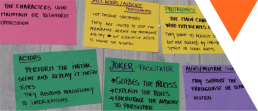
Forum Theatre — The anti-model in one minute
Forum kazalište — “anti-model” u jednoj minuti
Forum kazalište je interaktivna metoda u kojoj osobe najprije gledaju kratku scenu opresije ili nepravde, a zatim stupaju na scenu kao “spekt-akteri” kako bi zamijenili protagonista i isprobali alternativne načine reagiranja. Vođeni neutralnom facilitatoricom (“Jokerom”), grupa zajednički uvježbava strategije za promjenu u sigurnom kazališnom prostoru prije njihove primjene u stvarnom životu.
TEMA
Socijalna pravda i rješavanje konflikata
RAZINA
Srednja
VELIČINA GRUPE
10-12 osoba + publika
DOB
16+ (mogu biti i mlađe osobe s prilagodbom)
TIME
90-120 minuta (bazična verzija). Za proširenu verziju omogućite do 150 minuta kako bi se omogućila dublja refleksija.
Ciljevi
- Omogućiti osobama istraživanje različitih oblika opresije i vježbanje strategija za promjenu
- Razvijati kritičko mišljenje i rješavanje problema kroz kazališnu intervenciju
- Graditi empatiju i razumijevanje različitih perspektiva
- Osnažiti osobe da postanu aktivni akteri društvene promjene
- Vježbati kolektivno rješavanje problema u sigurnom kazališnom prostoru
Materijali
Otvoren prostor za izvedbu s dobrom vidljivošću za publiku
Stolice raspoređene u polukrug za publiku
Opcionalno: jednostavni rekviziti, kostimi ili scenografski elementi
Flipchart ili bijela ploča za bilježenje uvida i rješenja
Opis
Forum kazalište je interaktivni oblik Kazališta potlačenih koji je razvio Augusto Boal 1973. godine tijekom projekta opismenjavanja u Peruu. Osobe gledaju kratku scenu koja prikazuje opresiju ili nepravdu („anti-model”), a zatim postaju „spekt-akteri” koji mogu zaustaviti radnju, zamijeniti protagonista i isprobati alternativna rješenja.
Proces vodi facilitatorica („Joker”) na neutralan način, osiguravajući realističnu razradu situacija bez nametanja rješenja. Metoda je nastala kada je Boal uočio da publika ne želi samo predlagati rješenja, nego ih i fizički isprobati na sceni kako bi provjerila njihovu učinkovitost.
Provedba korak po korak:
0. Priprema grupe (20–30 min, prije početka sesije):
Prije otvaranja sesije za cijelu grupu, facilitatorica radi s grupom na pripremi. Jasno objasnite Forum kazalište: što je anti-model, što radi Joker i što znači uloga spekt-aktera. Zajedno identificirajte ili potvrdite temu na temelju stvarnih iskustava osoba.
Mala podgrupa (4–6 volontera/ki) uz podršku facilitatora kreira i uvježbava anti-model scenu, dok ostatak grupe postaje publika/spekt-akteri. Ako je grupa veća (10–12 osoba), možete je podijeliti u dvije skupine, pri čemu svaka kreira i izvodi svoju scenu.
Ostavite vrijeme za kratku probu i zagrijavanje (odaberite 2–3 aktivnosti iz dodatnog poglavlja Toolboxa, ovisno o potrebama grupe). Kada svi razumiju svoje uloge i scene su spremne, može započeti formalna sesija.
1. Uvod (10 min):
Pozovite publiku (to mogu biti i mladi koji nisu dio same predstave te članovi/ce šire zajednice) i objasnite koncept Forum kazališta. Naglasite da će vidjeti scenu u kojoj netko doživljava opresiju ili nepravdu. Nakon prvog gledanja mogu intervenirati tako da poviču „STOP!” i uđu u scenu kako bi isprobali drugačija rješenja.
Pojašnjava se da ne postoje „čarobna” rješenja jer zajednički istražujemo realne mogućnosti. Joker facilitira proces, ali ne daje odgovore. Rad se temelji na kolektivnoj mudrosti i eksperimentiranju.
Uloge u Forum kazalištu
Joker (facilitatorica):
Joker vodi proces Forum kazališta. Objašnjava pravila, potiče sudjelovanje publike i održava diskusiju konstruktivnom i poštovanom. Joker ne nudi rješenja, već pomaže grupi u istraživanju mogućnosti.
Protagonist:
Protagonist je glavni lik koji doživljava opresiju. Ima cilj koji želi ostvariti, ali ga blokiraju pojedinci, sustavi ili društvene norme. Priča se fokusira na njegovu borbu.
VAŽNA NAPOMENA: spekt-akteri mogu zamijeniti ovaj lik, ali ne smiju mijenjati njegovu temeljnu osobnost ili motivaciju.
Opresori:
Opresori su likovi koji održavaju ili pojačavaju opresiju. Mogu djelovati namjerno ili nesvjesno te često predstavljaju strukture moći (autoriteti, institucije, društveni pritisak).
VAŽNA NAPOMENA: spekt-akteri ne mogu zamijeniti ove likove u intervencijama.
Glumci:
Glumice izvode početnu scenu i ponovno je igraju više puta. Reagiraju realistično na intervencije, zadržavajući logiku situacije umjesto da olakšaju “pobjedu” publike.
Saveznici / neutralni likovi (opcionalno):
Ovo su likovi koji mogu podržati protagonista ili ostati neutralni. Pomažu prikazati kako sustavi opresije i nejednakosti funkcioniraju u svakodnevici te otvaraju prostor za testiranje strategija promjene.
Spekt-akteri (publika):
Spekt-akteri nisu pasivni promatrači. Pozvani su zaustaviti predstavu, zamijeniti protagonista i isprobati alternativne akcije kako bi promijenili situaciju.
2. Prikaz anti-modela (20 min):
Glumci izvode pripremljenu scenu opresije ili nepravde. Primjeri uključuju diskriminaciju na radnom mjestu, vršnjačko nasilje, obiteljske konflikte, stambenu nepravdu, policijsko uznemiravanje, obrazovne prepreke ili diskriminaciju u zdravstvu. Scena završava bez rješenja, a protagonist ne uspijeva promijeniti situaciju. Scena treba biti realistična, povezana sa stvarnim iskustvima sudionika i trajati otprilike 5–7 minuta.
3. Početna diskusija – Jokerova facilitacija (10 min):
Joker vodi analizu pitanjima: Što se dogodilo u sceni? Tko je bio potlačen? Tko je bio opresor? Što je otežalo protagonistu da promijeni situaciju? Koje emocije ste primijetili? Kakvi su bili odnosi moći? Ova analiza priprema osobe za intervencije.
4. Drugo izvođenje s intervencijama publike (40 min):
Scena se ponovno izvodi od početka. Joker poziva spekt-aktere da u bilo kojem trenutku poviču „STOP!” i uđu u scenu zamjenjujući protagonista te isprobaju drugačiji pristup. Joker može napraviti i prvi „STOP!” kako bi potaknuo sudjelovanje.
Ključna pravila:
- Spekt-akteri mogu zamijeniti samo potlačenog ili neutralne likove, ne opresore
- Glumcice ostaju u ulozi i pružaju realističan otpor
- Joker zaustavlja nerealna ili “čarobna” rješenja
- Više osoba treba isprobati različite pristupe
- Nakon svake intervencije (3–5 min) kratko se raspravlja: što je funkcioniralo, što nije i zašto
- Potiče se nadogradnja prethodnih intervencija
Refleksija i evaluacija:
Pitanja za refleksiju:
Koje su strategije najbolje funkcionirale u intervencijama? Koje nisu? Zašto?
Kako ste se osjećali dok ste intervenirali i bili na sceni pokušavajući promijeniti situaciju?
Na koje stvarne životne situacije vas ova priča podsjeća?
Koje prepreke postoje u promjeni stvarnosti koju smo vidjeli?
Kakva podrška, resursi ili solidarnost bi ljudima bila potrebna?
Što vas je iznenadilo tijekom intervencija?
Kako ove “probe” možemo prenijeti u stvarni život?
Što vas je ovaj proces naučio o kolektivnom djelovanju naspram individualnog herojstva?
Kriteriji evaluacije:
Promatra se razina angažmana osoba i spremnost na intervenciju, kvaliteta i realističnost predloženih intervencija, dubina kritičke refleksije o odnosima moći, sposobnost analize zašto određene strategije funkcioniraju ili ne, rast samopouzdanja tijekom sesije, kapacitet grupe da nadograđuje ideje drugih te razumijevanje razlike između individualnog i sustavnog djelovanja.
Savjeti:
Birajte scenarije koji su izravno povezani sa stvarnim iskustvima osoba — autentičnost je ključna.
Neka početna anti-model scena bude kratka (maksimalno 5–7 minuta) kako bi se zadržala energija.
Joker mora ostati istinski neutralan — izbjegavajte nametanje vlastitih rješenja ili ideologije.
Potičite glumce/ice da pružaju realističan otpor i ostanu u ulozi, bez prerane “predaje”.
Stvorite prostor za “tiše” osobe — aktivno ih pozovite, ali bez pritiska.
Ako intervencija ne funkcionira, Joker može zaustaviti scenu i pitati: “Što se ovdje događa? Zašto ova strategija ne funkcionira? Koja je prepreka?”
Dokumentirajte intervencije i uvide na flipchartu za kasniju analizu i planiranje akcije (vidi Legislative Theatre u varijacijama).
Prije početka izgradite psihološku sigurnost — osobe trebaju znati da mogu i samo promatrati.
Razmotrite da osobe u kasnijim sesijama sami kreiraju anti-model scene na temelju vlastitih iskustava.
Budite spremni na emocionalne reakcije — opresija je stvarna i osobna.
Povežite Forum kazalište s konkretnim strategijama organiziranja kada je to prikladno.
Varijacije i prilagodbe:
- Forum usmjeren na jedno pitanje: cijela sesija posvećena jednom specifičnom problemu (vršnjački pritisak, diskriminacija na poslu, obiteljski konflikti, stambena prava)
- Kazalište foruma u zajednici: uključivanje šire zajednice kao publike i sudionika/ca, ne samo redovite grupe
- Legislativno kazalište: prenošenje najuspješnijih rješenja iz Forum kazališta prema donositeljima odluka (vidi zasebnu aktivnost Legislativnog kazališta)
- Scene koje kreiraju mladi: nakon usvajanja metode, osobe razvijaju anti-model scene iz vlastitih stvarnih iskustava
- Višescensko forum kazalište: prikaz više kratkih scena u jednoj sesiji na povezane teme radi usporedbe
- Forum kazalište s profesionalnim glumcima/cama: kombinacija školovanih glumaca i osoba iz zajednice za kvalitetnije izvedbe
- “Duga” forum kazališta: istraživanje ne samo vanjske opresije nego i unutarnjih konflikata i proturječja
Napomena:
Neke teme koje se obrađuju u Forum kazalištu mogu izazvati intenzivne emocije ili traumatska sjećanja. Na početku svake sesije potrebno je uspostaviti jasne dogovore o sigurnosti. Sve osobe uvijek imaju pravo promatrati, umjesto da aktivno sudjeluju.
Nakon sesija koje se bave osjetljivim temama poput nasilja, diskriminacije ili zlostavljanja, potrebno je provesti temeljitu refleksiju i evaluaciju. Budite spremni pružiti emocionalnu podršku ili uputiti osobe na stručnu pomoć ako dođe do uznemirenosti.
Osigurajte da je prostor povjerljiv i uvažavajući — ono što se dijeli u Forum kazalištu ostaje u prostoru, osim ako osobe ne odluče drugačije djelovati javno. Joker/facilitator treba biti educiran u facilitaciji i, po mogućnosti, imati znanja iz trauma-informiranog pristupa.
Forum kazalište može otvoriti stvarne boli i stvarne konflikte — iskustva osoba treba tretirati s pažnjom, poštovanjem i odgovornošću.
Theatre activities
Nothing found.
Contact
Iuliana Adriana PAVEL (project manager)
iuliana.pavel@a4action.ro
A4ACTION – Antim Ivireanu Culture House, Islaz Alley, Ghermănești, Snagov, Ilfov District, Romania, 077170
Co-funded by the European Union. Views and opinions expressed are however those of the author(s) only and do not necessarily reflect those of the European Union or the ANPCDEFP. Neither the European Union nor the ANPCDEFP can be held responsible for them.
The project is conducted by the following organisations: A4ACTION (Romania) – coordinator, Udruga Delta (Croatia), InterAktion (Austria), Asociación Espacio Rojo (Spain) and GAIA Museum Outsider Art (Denmark).

Improvisation Theatre — “Yes, and…”
Improvizacijsko kazalište — „Da, i…”
Kroz niz strukturiranih igara i vježbi, osobe spontano stvaraju scene, likove i priče — bez scenarija, probe ili unaprijed zadanog „točnog” odgovora. Ova praksa razvija povjerenje, brzo razmišljanje i suradnju tako što osobe uči prihvatiti ideje drugih i reagiraju u trenutku.

TEMA
Spontanost, kreativnost i povjerenje
RAZINA
Početna do napredna
VELIČINA GRUPE
8-25 osoba
AGE
16+
TRAJANJE
60-90 minuta
Ciljevi
- Izgraditi samopouzdanje i spontanost
- Razviti vještine aktivnog slušanja i timskog rada
- Poticati kreativnost i brzo razmišljanje
- Stvoriti poticajno okruženje za preuzimanje rizika
- Vježbati „Da, i…” način razmišljanja u svakodnevnom životu
Materijali
Otvoren prostor s praznim podom
Opcionalno: jednostavni rekviziti, stolice, šalovi
Opcionalno: kartice s promptovima i scenarijima
Opcionalno: glazbeni uređaj
Opis
Provedba korak po korak:
1. Uvod (10 min):
Upoznajte osobe s osnovnim pravilima improvizacije: prihvati ono što tvoj partner/ica ponudi („Da”) i zatim to nadogradi („i”). Umjesto odbijanja ideja ili “ne”, dodaj nešto novo i tako održavaj scenu živom i suradničkom. Naglasite važnost toga da pomažeš partneru/ici da “izgleda dobro” kroz podršku i suradnju. U improvizaciji nema pogrešaka, samo prilika — sve se može kreativno iskoristiti. Naglasite važnost potpunog angažmana jer polovično sudjelovanje smanjuje energiju i zabavu. Istaknite da grupa uči zajedno, da se međusobno podržava i da je iskustvo “neuspjeha” vrijedan dio procesa.
Možete ih sažeti i kao jednostavnu listu za osobe:
- Reci „Da, i…”
- Podrži partnera/icu i pomozi mu/joj da “izgleda dobro”
- Nema pogrešaka, samo prilike
- Budi prisutan i potpuno angažiran
- Slušaj i reagiraj, ne planiraj unaprijed
- Uživaj u procesu i preuzimaj rizike
2. Zagrijavanje (20 min):
Za zagrijavanje voditelj/ica može odabrati odgovarajuće vježbe iz dodatnog poglavlja Toolboxa, birajući aktivnosti koje potiču fokus, povezanost i energiju grupe, ovisno o potrebama sudionika.
3. Glavne aktivnosti (odabir prema razini grupe):
Početničke vježbe (20–30 min):
„Priča od jedne riječi”: Osobe stoje ili sjede u krugu. Zajedno stvaraju priču tako da svaka osoba izgovori samo jednu riječ. Cilj je izgraditi koherentnu priču uz aktivno slušanje, prisutnost i prihvaćanje ideja drugih („Da, i…”). Važno je ne previše razmišljati nego održavati tok.
„Freeze Tag”: Dvije osobe započinju improviziranu scenu. U bilo kojem trenutku netko iz publike kaže „Freeze!”, glumci/ice se zaustavljaju u točno toj pozi. Nova osoba ulazi, dodirne jednog od njih, preuzima njegovu poziciju i započinje potpuno novu scenu inspiriranu tom pozom. Vježba razvija kreativnost i brze reakcije.
„Vođena priča”: Voditelj/ica preuzima ulogu “dirigenta” i pokazuje na osobe koje tada nastavljaju priču. Osobe mogu govoriti samo kada su odabrani i moraju stati kada voditelj/ica pređe na drugu osobu. Vježba razvija fokus, suradnju i brzo razmišljanje.
„Emocionalno ponavljanje”: Dvije ili više osoba improvizira jednostavnu scenu. Voditelj/ica zaustavlja scenu i traži da se ista scena ponovi, ali s drugačijom emocijom (npr. radost, ljutnja, strah, uzbuđenje). Situacija ostaje ista, ali se mijenja emocionalni ton, što pokazuje utjecaj emocija na komunikaciju.
Srednje vježbe (20–30 min):
„Party Quirks”: Jedna osoba je domaćin zabave, a gosti dolaze s tajnim karakteristikama koje domaćin mora pogoditi.
„Slide Show”: Priča se stvara kroz zamišljene fotografije s putovanja, uz naratora i osobe koji prikazuju slike.
„Expert Panel”: Osobe glume stručnjake/inje koji/e odgovaraju na pitanja publike o izmišljenim temama.
„Character Swap”: Dva lika postupno zamjenjuju osobnosti tijekom scene.
Korištenje rekvizita: osobe transformiraju jedan predmet u različite stvari.
Napredne vježbe (20–30 min):
„Long Form Improv”: razvijanje duže improvizirane priče (10–15 min) iz jedne sugestije.
„Harold”: strukturirani dugi oblik s ponavljajućim temama i povratnim motivima.
„Monolog–scena”: jedna osoba dijeli osobnu priču, a drugi improviziraju scene inspirirane njome.
„Status igre”: istraživanje odnosa moći kroz visoki i niski status likova.
4. Hlađenje i refleksija (10 min):
Završite sesiju laganom aktivnošću opuštanja, nakon čega slijedi grupna refleksija. Potičite osobe da podijele kako se osjećaju, što su naučili te što im je bilo izazovno ili zabavno.
Refleksija i evaluacija:
Pitanja za refleksiju:
Što je bilo izazovno u korištenju „Da, i…”?
Kada ste se osjećali najkreativnije? A kada “blokirano”?
Kako vam je podrška grupe pomogla?
Što vas je iznenadilo?
Kako se improvizacija povezuje sa stvarnim životnim situacijama?
Što ste otkrili o sebi?
Kako možemo primijeniti „Da, i…” izvan kazališta?
Evaluacija:
Promatra se razvoj spontanosti, vještine slušanja, preuzimanje rizika, podrška drugima, kreativnost i razvoj samopouzdanja.
Savjeti:
Započnite jednostavno i postupno povećavajte složenost.
Slavite “pogreške” kao prilike za učenje.
Tijekom igara koristite “vođenje sa strane” bez prekidanja akcije.
Održavajte visoku i pozitivnu energiju.
Ako scena “zaglavi”, prekinite i krenite ispočetka.
Fokus stavite na proces, a ne na kvalitetu izvedbe.
Prilagodite težinu vježbi razini samopouzdanja grupe.
Uključite “tiše” osobe bez pritiska.
Modelirajte ranjivost i zaigranost vlastitim primjerom.
Imenujte konkretne dobre odluke koje primjećujete.
Napomena:
Improvizacija može izazvati osjećaj ranjivosti, osobito na početku. Postavite jasne granice o sadržaju — izbjegavajte neprimjeren materijal. Nikada ne vršite pritisak na osobe koji ne žele sudjelovati — dopustite im promatranje. Nekim osobama treba više vremena za zagrijavanje. Ako se netko osjeća nelagodno, može promatrati, predlagati ideje ili odabrati uloge koje su manje izložene. Poštujte različite razine ugode s spontanošću i fizičkim izražavanjem.
Theatre activities
Nothing found.
Contact
Iuliana Adriana PAVEL (project manager)
iuliana.pavel@a4action.ro
A4ACTION – Antim Ivireanu Culture House, Islaz Alley, Ghermănești, Snagov, Ilfov District, Romania, 077170
Co-funded by the European Union. Views and opinions expressed are however those of the author(s) only and do not necessarily reflect those of the European Union or the ANPCDEFP. Neither the European Union nor the ANPCDEFP can be held responsible for them.
The project is conducted by the following organisations: A4ACTION (Romania) – coordinator, Udruga Delta (Croatia), InterAktion (Austria), Asociación Espacio Rojo (Spain) and GAIA Museum Outsider Art (Denmark).

Shadow Theatre — Silhouette stories
Kazalište sjena — priče u siluetama
Osobe izrađuju jednostavne lutke u silueti i izvode kratke priče iza poluprozirnog, osvijetljenog platna, koristeći sjene, pokret i zvuk za prenošenje značenja. Ovaj oblik kazališta pogodan je za osobe koji se ne osjećaju ugodno biti fizički vidljivi na sceni, omogućujući da mašta i glas budu u prvom planu.
TEMA
Pripovijedanje kroz svjetlo i sjenu
RAZINA
Početna do srednja
VELIČINA GRUPE
5-20 osoba
DOB
16+
TRAJANJE
2-3 sata (ili više susreta)
Ciljevi
- Razviti vještine pripovijedanja i izgradnje narativa
- Istražiti vizualnu i kinestetičku kreativnost
- Razvijati suradnju i timski rad
- Stvoriti pristupačan oblik izvedbe za sve
- Povezati se s drevnim kulturnim tradicijama
Materijali
Bijela plahta ili poluprozirno platno (zategnuto)
Izvor svjetla poput projektora, lampe ili baterijske svjetiljke
Karton, crni papir ili reciklirani materijali
Škare, ljepljiva traka, ljepilo, štapići za sladoled ili žica
Flomasteri i materijali za crtanje
Opis
Kazalište sjena koristi svjetlo, platno i siluete za pripovijedanje priča. Osobe izrađuju lutke za sjene i izvode ih iza poluprozirnog platna, čineći priče vidljivima kroz sjene. Ovaj drevni oblik umjetnosti potječe iz Kine i Indije prije više od 2000 godina. Pristupačan je, kreativan i magičan.
Provedba korak po korak:
1. Uvod (15 min):
Upoznajte osobe s poviješću kazališta sjena. Objasnite da potječe iz Kine i Indije prije više od 2000 godina, da se širilo Putom svile te postalo kulturna tradicija u mnogim dijelovima svijeta. Predstavite osnovni princip stvaranja sjene: izvor svjetla, objekt i platno. Demonstrirajte nekoliko jednostavnih sjena rukama. Naglasite pripovijedanje kroz oblik i pokret, a ne kroz riječi.
2. Zagrijavanje (20 min):
Za ovaj dio voditelj/ica može odabrati relevantne aktivnosti temeljene na sjeni iz dodatnog poglavlja Toolboxa (npr. istraživanje sjena, eksperimentiranje s veličinom, pogađanje oblika ili grupne kompozicije sjena) kako bi osobe razumjele osnovne principe nastanka sjene te razvili kreativnost i grupnu interakciju.
3. Sesija 1: Izrada lutaka (60–90 min):
Zajedno sa osobama odaberite ili osmislite priču. To može biti narodna priča, osobno iskustvo ili originalna priča grupe. Potaknite izradu jednostavnih likova s jasnim i prepoznatljivim siluetama. Likove nacrtajte na kartonu ili crnom papiru i pažljivo ih izrežite, uz pružanje podrške gdje je potrebno. Po želji dodajte pokretne dijelove (npr. ruke ili noge) kako bi lutke bile izražajnije. Lutke pričvrstite na štapiće ili žicu i testirajte ih na platnu, uz vrijeme za prilagodbe. Po potrebi dodajte jednostavne detalje flomasterima, uz zadržavanje jasnih silueta.
Sesija 2: Razvoj priče i proba (60 min)
Vodite grupu u strukturiranju priče jasno definirajući početak, sredinu i kraj. Vježbajte manipulaciju lutkama, s naglaskom na glatke i usklađene pokrete. Dodajte naraciju, dijalog ili glazbu kako biste obogatili izvedbu. Eksperimentirajte sa efektima sjena poput preklapanja, promjene veličine te ulazaka i izlazaka likova. Uvježbajte prijelaze između scena i podijelite jasne uloge unutar grupe (lutkari, naratorice, osoba za zvučne efekte). Podržite grupu u prepoznavanju i rješavanju tehničkih izazova, poput podešavanja rasvjete ili zapetljanih lutaka.
Sesija 3: Izvedba (30–45 min)
Postavite platno i rasvjetu kako biste osigurali jasne i učinkovite sjene. Izvedba se odvija tako da su izvođači iza platna, a publika ispred. Predstavite kazališnu izvedbu sjena primjenjujući sve vještine uvježbane tijekom proba. Nakon izvedbe provedite kratku sesiju pitanja i odgovora kako biste potaknuli interakciju i refleksiju o priči i kreativnom procesu.
Refleksija i evaluacija:
Pitanja za refleksiju:
Kako su sjene promijenile vaše pripovijedanje?
Što je bilo izazovno u izvođenju?
Što je sjene učinilo zanimljivima ili izražajnima?
Kako je funkcionirala suradnja?
Što biste sljedeći put napravili drugačije?
Koje je priče važno pričati?
Evaluacija:
Promatra se kreativnost, razvoj tehničkih vještina, suradnja, rješavanje problema i samopouzdanje u izvedbi.
Savjeti:
Testirajte rasvjetu prije izvedbe (kut, udaljenost, jačina svjetla).
Podsjetite lutkare: publika vidi sjene, ne vas!
Koristite glazbu ili zvučne efekte za obogaćivanje priče.
Vježbajte glatke pokrete – trzajni pokreti odvlače pažnju.
Razmotrite odvojene uloge naratorice i lutkara.
Sigurnost: držite ruke podalje od vrućih izvora svjetla.
Poštujte kulturno podrijetlo i raznolikost tradicija kazališta sjena.
Dopustite pogreške i eksperimentiranje – to je dio učenja.
Pružite jasne tehničke upute i vizualne primjere (ako je moguće): objasnite gdje se lutkari trebaju nalaziti (npr. iza neprozirne barijere ili ispod platna), kako se siluete manipuliraju (štapićima, žicom itd.) i iz kojeg kuta (odozdo, sa strane itd.), kako bi osobe bolje razumjele kako postav funkcionira u praksi.
Varijacije i prilagodbe:
- Sjene s gornjim projektorom: korištenje folija, izrezaka i obojenih filtera (gelova)
- Sjene tijela: izvedba pomoću tijela umjesto lutaka
- Mješoviti medij: kombinacija lutaka, tjelesnih sjena i pronađenih predmeta
- Tiho pripovijedanje: bez riječi, samo pokret i glazba
- Kulturno istraživanje: proučavanje tradicija kazališta sjena (wayang kulit Indonezija, Karagöz Turska, kineska opera sjena)
- Šarene sjene: korištenje obojenih gelova ili prozirnih materijala
- Višekratno platno: korištenje više platna za složenije priče
Napomena:
Nadzirite korištenje škara i alata za rezanje. Sve osobe držite podalje od izvora vrućeg svjetla – postoji ozbiljan rizik od opeklina. Osigurajte odgovarajuću ventilaciju ako se koriste jaki izvori svjetla tijekom duljeg vremena. Poštujte kulturno podrijetlo tradicija kazališta sjena – priznajte i uvažite azijsko nasljeđe ove umjetničke forme.
Theatre activities
Nothing found.
Contact
Iuliana Adriana PAVEL (project manager)
iuliana.pavel@a4action.ro
A4ACTION – Antim Ivireanu Culture House, Islaz Alley, Ghermănești, Snagov, Ilfov District, Romania, 077170
Co-funded by the European Union. Views and opinions expressed are however those of the author(s) only and do not necessarily reflect those of the European Union or the ANPCDEFP. Neither the European Union nor the ANPCDEFP can be held responsible for them.
The project is conducted by the following organisations: A4ACTION (Romania) – coordinator, Udruga Delta (Croatia), InterAktion (Austria), Asociación Espacio Rojo (Spain) and GAIA Museum Outsider Art (Denmark).

Labyrinth Theatre
Labirint kazalište
Svaka osoba prolazi samostalno (ili u vrlo malim skupinama) kroz niz transformiranih prostora (u zatvorenom ili na otvorenom) gdje susreće glumce, predmete i pažljivo postavljene senzorne podražaje. Predstava se odvija kroz osobno iskustvo, a ne s pozornice, čime svaka osoba postaje protagonist/kinja vlastitog putovanja.
TEM
Senzorno istraživanje, samorefleksija, inicijacija, percepcija i stvaranje osobnog značenja kroz imerzivno kazalište.
RAZINA
Napredna
VELIČINA GRUPE
10-25 osoba + publika
DOB
16+
TRAJANJE
90-120 minuta, ali može biti i osmišljen kao višednevna aktivnost
Ciljevi
- Poticati istraživanje izvan svakodnevne percepcije i rutinskog razmišljanja
- Poticati duboku senzornu svjesnost i utjelovljeno iskustvo
- Poticati osobno pripovijedanje i unutarnju refleksiju
- Istražiti teme identiteta, povjerenja, izbora i transformacije
- Stvoriti smislena, individualna iskustva učenja izvan verbalnog objašnjenja
Materijali
Nekazališni prostori (sobe, hodnici, šume, vanjske staze)
Osnovna scenografija i simbolički predmeti
Povezi za oči, tkanine, teksturirani materijali
Izvori rasvjete (prigušena svjetla, svijeće, LED rasvjeta)
Zvučni elementi (glasovi, ambijentalni zvukovi, glazba)
Opis
Labirint kazalište (Labyrinth Theatre) je interaktivni i kontekstualno orijentiran oblik kazališta u kojem svaka osoba doživljava izvedbu individualno. Umjesto tradicionalne pozornice, izvedba se odvija u nekazališnim prostorima (u zatvorenom ili na otvorenom), koji su transformirani u fiksnu rutu ili itinerar. Osobe se kreću jedan po jedan ili u vrlo malim skupinama kroz niz prostora i susreta, izravno se angažirajući s glumcima, predmetima i senzornim podražajima.
Senzorno labirint kazalište (Sensory Labyrinth Theatre, SLT) specifična je varijanta ove metode, koju je razvila organizacija Theatr Cynefin (Sjeverni Wales, UK), inspirirana radom kolumbijskog kazališnog redatelja Enriquea Vargasa početkom 1990-ih. Tijekom vremena metodu su dodatno razvijale različite organizacije diljem Europe, uključujući BIVEDA i Epsilon III, prilagođavajući je različitim kulturnim i obrazovnim kontekstima.
Provedba korak po korak:
Refleksija i evaluacija
Refleksija je ključna i treba se odvijati nakon iskustva, individualno ili u grupi. Osobe mogu dijeliti iskustvo usmeno, pisati, crtati ili ostati u tišini. Pitanja za vođenje refleksije uključuju:
- Što vam je ostalo nakon putovanja?
- Što ste osjećali tijekom iskustva?
- Je li neki trenutak odražavao nešto iz vašeg vlastitog života?
Evaluacija se usmjerava na dubinu angažmana, emocionalnu osviještenost i sposobnost povezivanja iskustva s osobnim značenjem, a ne na verbalnu produkciju.
Tips for Facilitators:Prepare the labyrinth carefully and test the flow in advance. Clearly explain the process and participants’ right to stop at any time. Maintain a safe, calm atmosphere. Actors should remain flexible and responsive rather than follow a fixed script. Ensure emotional support is available throughout and after the experience.
Varijacije:
- Labirinti u zatvorenim ili otvorenim prostorima
- Više kazališni ili više senzorno usmjereni formati
- Korištenje audio vodiča umjesto živih glumaca/ica
- Prilagodba za muzeje, kulturnu baštinu ili obrazovne prostore
- Kraće verzije s manjim brojem postaja i jednom središnjom temom
Napomena:
Kazalište labirinta može izazvati snažne emocionalne reakcije. Sudjelovanje mora biti dobrovoljno. Izbjegavajte poticajni sadržaj bez odgovarajuće pripreme i podrške. U svakom trenutku poštujte osobne granice, povjerljivost i emocionalnu sigurnost osoba.
Theatre activities
Nothing found.
Contact
Iuliana Adriana PAVEL (project manager)
iuliana.pavel@a4action.ro
A4ACTION – Antim Ivireanu Culture House, Islaz Alley, Ghermănești, Snagov, Ilfov District, Romania, 077170
Co-funded by the European Union. Views and opinions expressed are however those of the author(s) only and do not necessarily reflect those of the European Union or the ANPCDEFP. Neither the European Union nor the ANPCDEFP can be held responsible for them.
The project is conducted by the following organisations: A4ACTION (Romania) – coordinator, Udruga Delta (Croatia), InterAktion (Austria), Asociación Espacio Rojo (Spain) and GAIA Museum Outsider Art (Denmark).

Inclusive Storytelling Circle — The Feeler
Inkluzivni krug pripovijedanja
Osobe rade u parovima te istražuju dodir i miris pri čemu je jedno osjetilo privremeno ograničeno kako bi oblikovali lik i prostor iz osjetilnih dojmova, a zatim te elemente usklađuju u zajedničku priču. Priča se na kraju pretvara u strip, čime se spajaju mašta, suradnja i vizualno izražavanje.
TEMA
Senzorno istraživanje, kreativnost i zajedničko pripovijedanje.
RAZINA
Početna
VELIČINA GRUPE
8–30 osoba, podijeljenih u parove
DOB
16+
TRAJANJE
90–120 minuta
Ciljevi
- Potaknuti kreativnost i maštu kroz senzorno istraživanje
- Razviti vještine pripovijedanja i izgradnje narativa
- Poticati suradnju, komunikaciju i pregovaranje unutar parova
- Povećati svijest o tome kako različita osjetila utječu na percepciju i značenje
- Podržati samopouzdanje i izražavanje kroz vizualne i narativne oblike
Materijali
- Povezi za oči (po jedan za svaki par).
- Različiti mali predmeti s različitim teksturama.
- Mirisi ili voće (npr. agrumi, začini ili aromatično bilje).
- Papir i olovke za bilježenje.
- Papir za crtanje ili predlošci za strip.
- Flomasteri, olovke ili drvene bojice.
Opis
Pripovijedanje potiče osobe na istraživanje kreativnosti kroz osjet dodira i mirisa radeći u parovima. Privremenim ograničavanjem jednog osjetila osobe stvaraju lik i okruženje na temelju svojih osjetilnih dojmova. Ti se elementi zatim, kroz raspravu i zajedničko dogovaranje, povezuju u zajedničku priču. U završnoj fazi priča se pretvara u strip, čime se potiču vizualno pripovijedanje i dijeljenje ideja unutar grupe. Aktivnost razvija suradnju, maštu i refleksivno učenje u sigurnom, poticajnom i uključivom okruženju.
Provedba korak po korak:
- Organizacija grupe:
Podijelite osobe u parove. Objasnite da se aktivnost temelji na mašti, senzornom istraživanju i zajedničkom pripovijedanju.
- Prvi dio: Dodir i stvaranje lika – aktivnost „Ona/Onaj koji osjeća”:
Jedna osoba u svakom paru ima povez na očima te dobiva predmet koji treba držati i istraživati isključivo osjetom dodira. Dok drži predmet, odgovara na sljedeća pitanja:
- Od čega misliš da je napravljen?
- Koje boje misliš da je?
- Ako bi bio muškarac ili žena, što bi bio?
- Daj mu ime.
- Koliko ima godina?
- Što radi? Gdje radi?
- Koje su njegove strasti?
- Što ne voli?
- Osmisli rečenicu koja se stalno ponavlja.
- Što bi želio/željela postići?
Druga osoba, koja nije s povezom na očima, zapisuje sve odgovore na papir.
- Drugi dio: Miris i stvaranje okruženja – „Ona/Onaj koji miriše”:
Nakon što su odgovori iz prvog dijela završeni, osobe mijenjaju uloge. Drugia osoba dobiva povez na očima i miriše različite mirise ili voće. Na temelju mirisa odgovara na sljedeća pitanja:
- Sviđa li ti se ovaj miris?
- Jesi li ga prije osjetio/la? Gdje?
- Zamislite da si u mjestu koje ovako miriše. Gdje si?
- Kako to mjesto izgleda?
- Tko se još tamo nalazi?
- Što se događa?
- Što radiš?
- Kako se osjećaš?
- Što bi htio/htjela napraviti?
- Zašto to ne možeš napraviti?
Sve odgovore partner/ica zapisuje na zaseban list papira.
- Stvaranje priče i pregovaranje:
Nakon što su prikupljeni svi odgovori, par izrađuje zajedničku priču koristeći dobivene elemente. Osobe raspravljaju i pregovaraju koje će elemente uključiti i kako će povezati lik i okruženje. Cilj je dogovoriti završnu verziju priče koja spaja obje perspektive.
- Izrada stripa i prezentacija:
Nakon što je priča finalizirana, osobe izrađuju strip na temelju svoje naracije. Ilustriraju ključne trenutke priče, s naglaskom na likove, okruženje i emocije. Po završetku, svaki par predstavlja svoj strip ostatku grupe i ukratko dijeli svoj kreativni proces.
Refleksija i evaluacija:
Pozovite osobe na refleksiju o aktivnosti kroz grupnu raspravu. Koristite pitanja za vođenje razgovora, kao što su:
- Kako je bilo oslanjati se samo na jedno osjetilo u jednom trenutku?
- Što je bilo izazovno ili iznenađujuće tijekom aktivnosti?
- Kako ste pregovarali o tome koje ideje zadržati u završnoj priči?
- Što ste naučili o suradnji i komunikaciji?
- Kako je pretvaranje priče u strip utjecalo na način na koji ste razmišljali o narativu?
Potičite osobe da podijele i emocionalne reakcije i praktične uvide. Aktivnost procijenite promatranjem razine angažiranosti, suradnje unutar parova, kreativnosti u pripovijedanju te sposobnosti pretvaranja apstraktnih ideja u vizualni narativ.
Savjeti
- Jasno objasnite upute prije početka aktivnosti, osobito dijelove koji uključuju povez preko očiju, kako bi se osobe osjećale sigurno i ugodno.
- Odaberite predmete i mirise koji su neutralni, poznati osobama i koji ne izazivaju neugodne reakcije.
- Tijekom aktivnosti pratite rad parova i pružite podršku ako osobe zapnu ili se osjećaju nesigurno.
- Potičite međusobno uvažavanje, aktivno slušanje i ravnopravno sudjelovanje unutar svakog para.
- Redovito podsjećajte osobe na preostalo vrijeme kako bi nesmetano prelazili iz jedne faze aktivnosti u drugu.
- Naglasite da ne postoje točni ili netočni odgovori te da su mašta i kreativnost važnije od realističnog prikaza.
Varijacije:
Prilagodite aktivnost mlađim osobama tako da smanjite broj pitanja ili se usredotočite samo na jedno osjetilo (dodir ili miris). Za veće grupe formirajte timove od tri osobe, pri čemu treća osoba ima ulogu promatrača koji pomaže u bilježenju i praćenju vremena. Umjesto mirisa možete koristiti zvukove ili teksture kako biste promijenili senzorni fokus.
Umjesto izrade stripa, osobe možete potaknuti da kreiraju kratku scensku izvedbu, storyboard ili ilustrirani plakat na temelju svoje priče. Aktivnost se također može koristiti kao vježba pisanja tako da se završna priča pretvori u kratki tekst ili pjesmu.
Napomena:
Ova aktivnost uključuje privremeno senzorno uskraćivanje korištenjem poveza na očima. Sudjelovanje mora uvijek biti dobrovoljno, a osobe moraju imati mogućnost da u svakom trenutku prekinu aktivnost. Izbjegavajte korištenje jakih, nepoznatih ili potencijalno alergenskih mirisa. Unaprijed jasno provjerite moguće alergije ili osjetljivosti. Osigurajte sigurno okruženje tako da prostor bude bez prepreka te da su sve osobe s povezom na očima stalno pod nadzorom.
Theatre activities
Nothing found.
Contact
Iuliana Adriana PAVEL (project manager)
iuliana.pavel@a4action.ro
A4ACTION – Antim Ivireanu Culture House, Islaz Alley, Ghermănești, Snagov, Ilfov District, Romania, 077170
Co-funded by the European Union. Views and opinions expressed are however those of the author(s) only and do not necessarily reflect those of the European Union or the ANPCDEFP. Neither the European Union nor the ANPCDEFP can be held responsible for them.
The project is conducted by the following organisations: A4ACTION (Romania) – coordinator, Udruga Delta (Croatia), InterAktion (Austria), Asociación Espacio Rojo (Spain) and GAIA Museum Outsider Art (Denmark).

Dropping the Balloon — Presence, desire, integration
Otpuštanje balona — prisutnost, želja i integracija
U tri međusobno povezane faze osobe prelaze od razigrane grupne improvizacije s imaginarnim balonom do osobnog promišljanja o trima pitanjima: Što doista želiš? Što te u tome sprječava? Što možeš učiniti po tom pitanju? Ta se pitanja istražuju kroz kratke scene u paru, a proces završava vođenom meditacijom. Ovaj slijed: igra, propitivanje i tišina omogućuje da se uvidi pojave prirodno, bez pritiska da ih se odmah objasni.

TEMA
Prisutnost, samopropitivanje i tjelesna integracija
RAZINA
Srednja
VELIČINA GRUPE
6-24 osoba
DOB
16 +
TRAJANJE
90–120 minuta
Ciljevi
- Razviti prisutnost, spontanost i kreativnu igru unutar skupine.
- Podržati osobe u istraživanju vlastitih želja, prepreka i mogućih načina djelovanja primjenom utjelovljenih kazališnih metoda.
- Poticati promišljanje i samosvijest kroz iskustveno učenje.
- Stvoriti siguran prostor za izražavanje i eksperimentiranje bez osuđivanja.
- Integrirati iskustvo kroz vođenu meditaciju, pružajući podršku emocionalnom uzemljenju i zaokruživanju procesa.
Materijali
- Otvoren prostor koji omogućuje slobodno kretanje.
- Papir i olovke za svaku osobu.
- Po želji: pravi baloni (kao pristupačna alternativa za 1. fazu aktivnosti).
- Po želji: lagana glazba u pozadini i udobna podloga (prostirke za jogu, deke i sl.) za 3. fazu aktivnosti.
Opis
Ova samostalna aktivnost sastoji se od tri faze koje osobe vode od spontane tjelesne ekspresije, preko osobnog samopropitivanja utemeljenog na transakcijskoj analizi, do kontemplativne integracije iskustva. U prvoj fazi koristi se razigrana vježba sa zamišljenim balonom (inspirirana improvizacijskim kazalištem i Kazalištem slika) kako bi se razvijali prisutnost, kreativnost i svijest o grupi. U drugoj fazi osobe promišljaju tri ključna pitanja – Što doista želiš? Što te u tome sprječava? Što možeš učiniti po tom pitanju? – najprije kroz pisano promišljanje, a zatim kroz kratke kazališne scene u paru. Treća faza završava vođenom meditacijom koja omogućuje tijelu da integrira ono što su igra i samopropitivanje potaknuli. Slijed igra → samopropitivanje → tišina predstavlja samu srž ove metode.
Provedba korak po korak:
Faza 1 – Balon (20–30 minuta)
Pozdravite mlade i ukratko predstavite tijek radionice: igra, propitivanje i tišina. Naglasite da je sudjelovanje u svakoj fazi dobrovoljno te da u bilo kojem trenutku mogu odustati od aktivnosti ili se nakratko povući.
Pozovite mlade da stanu u otvoreni prostor. Zamolite ih da nakratko zatvore oči i zamisle da u rukama drže ispuhani balon. Neka pantomimom pokažu kako ga podižu, napuhuju i daju mu određenu veličinu, boju i oblik.
Svaka osoba napuhuje svoj imaginarni balon i predstavlja ga partneru/ici ili cijeloj skupini : njegovu boju, veličinu, teksturu i osobnost. Time se potiču mašta i razigranost.
Osobe zatim tijekom cijele aktivnosti održavaju svoj imaginarni balon u zraku koristeći bilo koji dio tijela, dok istodobno izvršavaju jednostavne grupne zadatke koje zadaje voditelj/ca, primjerice: predstavite se trima osobama; pronađite zajednički interes s nekim; zajedno se krećite prostorijom. Ograničenje da balon cijelo vrijeme mora ostati u zraku unosi element igre i pokazuje kako se um nosi s istodobnim zahtjevima i podijeljenom pažnjom.
Faza 2 – Tri pitanja (45–60 minuta)
Na ploči ili flipchartu predstavite tri ključna pitanja:
- Što doista želiš?
- Što te u tome sprječava?
- Što možeš učiniti po tom pitanju?
Objasnite da ova pitanja proizlaze iz transakcijske analize te se koriste kao praktičan alat za poticanje promišljanja i osobnog preuzimanja odgovornosti. Naglasite da se ne radi o terapiji, a osobe su sami najbolji stručnjaci/kinje za vlastite odgovore.
Tijekom cijele aktivnosti osobe i dalje održavaju svoj imaginarni balon u zraku.
Nakon toga se podijele u parove. Naizmjenično postavljaju i odgovaraju na svako od triju pitanja, jedno po jedno. Osoba koja postavlja pitanje ponavlja isto pitanje nekoliko puta prije zamjene uloga, kako bi partner/ica imao/la priliku dublje promisliti i odgovoriti iskrenije.
Faza 3 – Meditacija (15–20 minuta)
Pozovite osobe da sjednu ili legnu u udoban položaj. Ako je moguće, prigušite svjetla. Meditaciju vodite polako, ostavljajući duže stanke između rečenica. Slijedi prijedlog teksta koji voditelji/ce mogu prilagoditi vlastitom stilu:
„Pronađite udoban položaj, sjedeći ili ležeći, i nježno zatvorite oči ili usmjerite pogled prema dolje. Polako udahnite… i izdahnite… Usmjerite pažnju na svoje tijelo i primijetite kako se osjećate u ovom trenutku, bez potrebe da bilo što mijenjate.
Sada zamislite balon koji ste držali tijekom aktivnosti, njegovu boju, oblik i način na koji se kretao. Prisjetite se kako je bilo održavati ga u zraku: koliko je zahtijevao pažnje, truda, možda čak i odvlačio vašu pozornost.
Polako dopustite da vam se balon približi i nježno ga spustite. Više ga ne trebate održavati u zraku.
Udahnite.
Sada zamislite kako puštate balon i promatrate ga kako polako odlazi, sve više i više, dok naposljetku ne nestane iz vida.
Vratite pažnju svom disanju, svome tijelu i prostoru koji vas okružuje.
Zatim si nježno postavite pitanje: Što doista želim?
Nema potrebe pronaći savršen odgovor. Samo primijetite što se pojavljuje.
Još jednom duboko udahnite… i polako izdahnite.
Kada budete spremni, nježno otvorite oči.“
Refleksija i evaluacija
Pitanja za refleksiju:
- Kako ste doživjeli prijelaz od igre, preko propitivanja, do tišine?
- Koja vam je faza bila najlakša, a koja najizazovnija? Zašto?
- Što ste primijetili u vezi sa svojim balonom? Kako se vaša pažnja prema njemu mijenjala tijekom triju faza?
- Je li se nešto promijenilo u vašem odgovoru kada je partner/ica treći ili četvrti put ponovio isto pitanje?
- Kako ste se osjećali kada ste tijekom meditacije pustili balon?
Savjeti
- Poštujte tijek procesa. Nemojte skraćivati prvu fazu kako biste brže prešli na drugu jer upravo igra stvara osjećaj sigurnosti koji omogućuje iskreno propitivanje.
- U drugoj fazi ponavljanje svakog pitanja od ključne je važnosti. Oduprite se potrebi da stanete nakon prvog odgovora; upravo ponavljanje pomaže da se odgovori pomaknu od uobičajenih, automatskih reakcija prema autentičnim uvidima.
- U drugoj fazi održavajte siguran i podržavajući prostor. Ova metoda služi razjašnjavanju vlastitih želja, a nije oblik terapije. Ako se pojave emocionalno zahtjevne teme, kratko ih priznajte, potvrdite autonomiju mladih i nježno nastavite s procesom.
- U trećoj fazi govorite polako i ostavljajte dovoljno prostora za tišinu. Mnogi voditelji/ce prvi put čitajući tekst meditacije govore prebrzo.
- Sudjelovanje je dobrovoljno u svakoj fazi. Povlačenje iz aktivnosti ili preskakanje pojedinog dijela procesa također je valjan oblik sudjelovanja.
- Završite radionicu na vrijeme. Meditacija predstavlja završetak procesa, a ne prijelaz na dodatnu raspravu ili obradu iskustava.
Varijacije
- Kraća verzija (45–60 minuta): Prva faza, jedan krug triju pitanja i skraćena meditacija. Prikladno kao uvodna ili završna aktivnost tijekom duljeg dana treninga ili edukacije.
- Pravi baloni kao alternativa: Za osobe kojima je teško zamišljati ili održavati imaginarni predmet (primjerice mlađu djecu ili neke sudionike s kognitivkim teškoćama), u prvoj fazi mogu se koristiti pravi baloni.
- Višejezične skupine: Tijekom druge faze partneri mogu postavljati pitanja i odgovarati na njih na svom materinskom jeziku ako im to olakšava izražavanje.
- Prilagodbe za pristupačnost: Prva faza može se provoditi u sjedećem položaju za osobe koji ne mogu dulje stajati. Tijekom meditacije osobe mogu držati oči otvorenima ili poluotvorenima ako im zatvaranje očiju nije ugodno. Za osobe kojima izraz „meditacija” nije prihvatljiv, treća faza može se nazvati „vođeni odmor” ili „vođeno osvještavanje tijela”.
- Prošireno propitivanje: U skupinama koje imaju više vremena ili iskustva može se dodati četvrto pitanje: „Tko si kada imaš ono što želiš?” Time se potiče istraživanje identiteta koji se razvija kroz ostvarenje osobnih želja.
Napomena
Iako ova aktivnost nije terapijska intervencija, propitivanje kroz tri pitanja može potaknuti pojavu emocionalno značajnih tema i iskustava. Voditelji/ce trebaju biti spremni s empatijom i razumijevanjem prihvatiti snažne emocionalne reakcije osoba, prema potrebi ih uputiti na dodatne oblike podrške te u potpunosti poštovati njihove granice u vezi s dijeljenjem osobnih iskustava.
Sudjelovanje u svakoj fazi aktivnosti mora uvijek biti dobrovoljno i ni pod kojim okolnostima osobe ne treba prisiljavati na sudjelovanje.
Metoda se temelji na transakcijskoj analizi kao okviru za razumijevanje osobne odgovornosti i mogućnosti djelovanja. Ona nije zamjena za psihoterapiju niti je primjerena kao oblik podrške osobama koje žive s nerazriješenim traumama, prolaze kroz akutnu krizu mentalnog zdravlja ili se suočavaju s izrazito teškim životnim okolnostima.
Theatre activities
Nothing found.
Contact
Iuliana Adriana PAVEL (project manager)
iuliana.pavel@a4action.ro
A4ACTION – Antim Ivireanu Culture House, Islaz Alley, Ghermănești, Snagov, Ilfov District, Romania, 077170
Co-funded by the European Union. Views and opinions expressed are however those of the author(s) only and do not necessarily reflect those of the European Union or the ANPCDEFP. Neither the European Union nor the ANPCDEFP can be held responsible for them.
The project is conducted by the following organisations: A4ACTION (Romania) – coordinator, Udruga Delta (Croatia), InterAktion (Austria), Asociación Espacio Rojo (Spain) and GAIA Museum Outsider Art (Denmark).
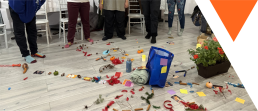
Journey to Now — A life map on the floor
Putovanje do sadašnjosti — životna mapa na podu
Osobe sjede oko velikog kruga označenog na podu te koriste prirodne materijale (kamenje, lišće, grančice, školjke) kako bi u tišini izgradili vizualnu mapu svog životnog puta od rođenja na vanjskom rubu do sadašnjeg trenutka u središtu. Nakon toga svaka osoba prolazi svoj put i dijeli ga s grupom, dok ostali slušaju. Po završetku, mogu proći i puteve drugih osoba.

TEMA
Samorefleksija i osobna povijest
RAZINA
Srednja
VELIČINA GRUPE
6-24 osoba
DOB
16 +
VRIJEME
90–120 minuta
Ciljevi
- Omogućiti duboku samorefleksiju kroz vizualni i prostorni izraz.
- Podržati osobe u dijeljenju osobnih iskustava izvan isključivo verbalnog jezika.
- Razvijati empatiju kroz svjedočenje i povezivanje s pričama drugih.
- Poticati neverbalno pripovijedanje i simboličko mišljenje.
Materijali
Različiti materijali iz prirode (lišće, perje, grančice, češeri, cvijeće, kamenje itd.)
Različite fotografije ili kartice sa slikama
Ljepljiva traka i škare
Opis
Osobe sjede oko velikog kruga označenog na podu te koriste prirodne materijale kako bi stvorili vizualni prikaz svojega životnog puta. Vanjski rub kruga predstavlja rođenje, dok središte predstavlja sadašnji trenutak. Umjesto riječi, izražavaju značenja kroz simbole izrađene od prirodnih predmeta.
Nakon što je krug dovršen, svaka osoba dijeli svoj put tako što ga prolazi hodajući duž svoje staze i objašnjava ga grupi. Potom se sve osobe pozivaju da prođu krugom i promatraju te reflektiraju o putovima drugih.
Ova aktivnost podržava samorefleksiju i potiče neverbalno izražavanje osobnih iskustava.
Provedba korak po korak:
Uvod (10 min): Objasnite strukturu kruga: vanjski rub predstavlja rođenje, a središte predstavlja sadašnji trenutak. Pozovite osobe da svoj život zamisle kao putovanje te da ključne trenutke, prijelomne točke i iskustva prikažu koristeći prirodne materijale — bez riječi. Naglasite da ne postoji ispravan ili pogrešan način rada.
Stvaranje putovanja (25–35 min): Osobe prirodnim materijalima obilježavaju svoj životni put unutar vlastitog dijela kruga. Potaknite ih da rade u tišini i da materijale koriste za prikaz događaja, emocija i prijelaza. Voditelji/ca se tiho kreću prostorom i pružaju podršku bez usmjeravanja sadržaja.
Dijeljenje vlastitog puta (15–20 min): Svaka osoba prolazi svoj put od vanjskog ruba prema središtu, kratko objašnjavajući značenje svakog simbola. Dijeljenje je dobrovoljno odnosno osobe mogu podijeliti onoliko koliko žele.
Svjedočenje drugih (10 min): Osobe polako hodaju oko cijelog kruga, u tišini promatrajući putove drugih. Potaknite ih da ovaj dio dožive kao trenutak svjedočenja i međusobnog poštovanja.
Grupna refleksija (10 min): Okupite grupu za kratki razgovor o tome što su primijetili, što ih je iznenadilo i što žele ponijeti iz ovog iskustva.
Refleksija i evaluacija:
Pitanja za refleksiju:
- Kako vam je bilo prikazati svoj život kroz slike umjesto kroz riječi?
- Što ste primijetili dok ste obilazili i promatrali putove drugih osoba?
- Postoje li obrasci ili sličnosti među različitim životnim putovima?
- Što vam vaš put govori o tome gdje se trenutno nalazite?
Evaluacija:
Prilikom evaluacije promatrajte razinu uključenosti osoba u kreativni proces, spremnost na dijeljenje te kvalitetu svjedočenja i slušanja unutar grupe.
Savjeti:
- Stvorite mirnu i usredotočenu atmosferu, tijekom faze stvaranja možete pustiti tihu instrumentalnu glazbu.
- Jasno naglasite da je dijeljenje dobrovoljno, nitko ne bi trebao osjećati pritisak da objašnjava svoj životni put.
- Ostavite dovoljno fleksibilnosti u vremenu, ako su sudionici duboko angažirani, aktivnost može trajati dulje od predviđenog.
- Budite spremni na emocionalne reakcije, osigurajte miran prostor i budite dostupni za pružanje podrške.
Varijacije:
- Osobama kojima je vizualni izraz izazovan omogućite bilo koji oblik reprezentacije: pisane riječi, izrezane slike ili apstraktne znakove.
- Za kraće radionice, krug se može zamijeniti individualnim listovima papira, a faza obilaska može se izostaviti.
- Aktivnost se može provoditi i digitalno, korištenjem aplikacija za crtanje, u online ili hibridnim formatima.
Napomena:
Ova aktivnost može potaknuti duboka osobna sjećanja i emocije. Vodite je s pažnjom i osigurajte da osobe znaju kako imaju potpunu kontrolu nad onim što odluče podijeliti. Tijekom i nakon radionice treba biti dostupna emocionalna podrška.
Ova aktivnost nije terapijska vježba; ako se pojavi osjetljiv sadržaj, važno ga je priznati s poštovanjem te, po potrebi, uputiti osobe na profesionalnu podršku.
Theatre activities
Nothing found.
Contact
Iuliana Adriana PAVEL (project manager)
iuliana.pavel@a4action.ro
A4ACTION – Antim Ivireanu Culture House, Islaz Alley, Ghermănești, Snagov, Ilfov District, Romania, 077170
Co-funded by the European Union. Views and opinions expressed are however those of the author(s) only and do not necessarily reflect those of the European Union or the ANPCDEFP. Neither the European Union nor the ANPCDEFP can be held responsible for them.
The project is conducted by the following organisations: A4ACTION (Romania) – coordinator, Udruga Delta (Croatia), InterAktion (Austria), Asociación Espacio Rojo (Spain) and GAIA Museum Outsider Art (Denmark).
The Gold in the Wound
Zlato u ožiljku
Osoba zatvorenih očiju osvještava dijelove tijela u kojima osjeća napetost ili obamrlost te svakom od njih pridružuje oblik, boju i naziv, dok ostatak grupe simbolično „drži” te prikaze. Zatim osoba izgovara priče koje svaki od tih dijelova nosi u sebi, nakon čega ih preoblikuje postavljajući pitanje: Koja se snaga, spoznaja ili unutarnji resurs krije unutar ove teškoće? Na kraju simbolično otpušta te prikaze.
TEMA
Otpornost, transformacija i emocionalna integracija
RAZINA
Napredna
VELIČINA GRUPE
8–15 osoba
DOB
16 +
TRAJANJE
60–90 minuta
Ciljevi
- Preoblikovati doživljaj osobnih izazova tako da ih osobe mogu prepoznati kao moguće izvore snage i otpornosti.
- Razvijati svjesnost o vlastitom tijelu i povezanosti emocija s tjelesnom napetošću.
- Podržati osobe u prijelazu od iskustva boli prema osjećaju osobne snage i mogućnosti djelovanja kroz pripovijedanje i maštu.
- Stvoriti siguran prostor za ranjivost, međusobnu podršku i povjerenje unutar grupe.
Materijali
- Miran prostor koji osigurava privatnost.
- Udobne prostirke ili jastuci za sjedenje.
- Po želji: papir i olovke za pisano promišljanje.
Opis
Zatvorenih očiju osoba prepoznaje područja tjelesne napetosti ili utrnulosti te svakom od njih pridjeljuje oblik, boju i ime. Grupa pruža podršku simboličnim „držanjem” tih prikaza. Osoba zatim izražava priče koje nose ta tjelesna područja, prije nego što ih ponovno sagleda iz druge perspektive: koja se snaga, spoznaja ili resurs nalazi unutar te rane? Na kraju se simbolični oblici otpuštaju.
Vježba se oslanja na terapijske pristupe, uključujući Internal Family Systems (IFS), somatsku svjesnost i narativnu terapiju, te povezuje maštu, utjelovljeno pripovijedanje i proces transformacije.
Provedba korak po korak:
-
Priprema i pristanak (10 min): Uspostavite jasan i siguran okvir za provedbu aktivnosti. Korak po korak objasnite tijek vježbe. Naglasite da je sudjelovanje u potpunosti dobrovoljno – osobe u bilo kojem trenutku mogu odlučiti samo promatrati ili prekinuti sudjelovanje, bez potrebe za objašnjenjem. Od svih koji će sudjelovati u središnjem dijelu aktivnosti zatražite izričit usmeni pristanak.
Skeniranje tijela i mapiranje (15 min): Pozovite mlade da zatvore oči i polako usmjere pažnju na svoje tijelo, od glave prema stopalima, primjećujući mjesta napetosti, težine, obamrlosti ili nelagode. Svakom uočenom području pridružuju oblik, boju, teksturu i kratak naziv. Preporučuje se da rade s najviše jednim ili dvama područjima.
Davanje glasa rani (15 min): Osoba koja je odabrala raditi u središtu grupe dijeli priču o odabranom području, ne objašnjenje ili analizu, nego svoj neposredni doživljaj. Odakle taj osjećaj dolazi? Što je nosio sa sobom? Što je štitio? Ostali članovi grupe slušaju u tišini i bez prekidanja.
Pronalaženje zlata (15 min): Voditelj/ca nježno poziva osobe na istraživanje: Koju je snagu, mudrost ili unutarnji resurs ova rana također razvila? Čemu vas je naučila? Što vam je omogućila? Naglasite da cilj nije prisilno traženje pozitivnog značenja, nego pažljivo, iskreno i nenametljivo istraživanje vlastitog iskustva.
Svjedočenje grupe i simbolično otpuštanje (10 min): Članovi/ce grupe ukratko izražavaju ono čemu su svjedočili ne dajući savjete ili tumačenja, već iskazujući priznanje i uvažavanje iskustva koje je podijeljeno. Osoba zatim simbolično otpušta oblik koji je stvorila: zamišlja da se rastapa, odlazi ili se preobražava. Aktivnost završava kratkim trenutkom usmjeravanja pažnje na sadašnji trenutak i vlastito tijelo.
Integracija i završetak (10 min): Ostavite nekoliko minuta za tihu osobnu refleksiju. Radionicu zaključite kratkom vježbom uzemljenja, primjerice svjesnim disanjem, nježnim pokretima ili zajedničkom gestom koja simbolizira završetak procesa.
Refleksija i evaluacija:
Pitanja za refleksiju:
- Kako vam je bilo dati svojoj rani oblik ili boju?
- Jeste li doživjeli trenutak prepoznavanja dok ste istraživali „zlato” unutar nje?
- Kako ste se osjećali dok vam je grupa svjedočila?
- Što želite zapamtiti iz ovog iskustva?
Evaluacija:
Prilikom evaluacije promatrajte razinu uključenosti osoba u proces, kvalitetu grupnog svjedočenja te sposobnost voditelja/ice da sigurno i pažljivo drži prostor.
Savjeti:
- Ovu aktivnost koristite samo s grupama koje već imaju čvrsto uspostavljeno povjerenje, nije prikladna za prve susrete ili početne radionice.
- Krećite se polako i pratite tempo mladih — nemojte ih poticati ili požurivati prema fazi preoblikovanja iskustva.
- Osigurajte dostupnost podrške za mentalno zdravlje, bilo unutar tima ili kroz mogućnost naknadne pomoći nakon radionice.
- Ne provodite ovu aktivnost bez odgovarajuće obuke iz trauma-informiranog vođenja ili terapijskog kazališta.
Varijacije:
- Aktivnost se može provesti kao individualna pisana refleksija, bez dijela u kojem grupa svjedoči iskustvu.
- Za manje iskusne grupe, može se pojednostaviti na vježbu mapiranja tijela bez faze pripovijedanja.
Napomena:
Ova aktivnost uključuje dubok psihološki i somatski rad. Smiju je voditi isključivo praktičari osposobljeni za terapijsko kazalište, rad utemeljen na traumi ili somatski rad. Ona nije zamjena za psihoterapiju. Potrebno je osigurati informirani pristanak, jasne granice te dostupnost podrške za mentalno zdravlje. Osobe uvijek moraju imati pravo prekinuti sudjelovanje bez objašnjenja.
Ovu aktivnost nikada ne treba koristiti kao prvu vježbu s novom grupom; treba je uvoditi tek nakon što su uspostavljeni sigurnost, povjerenje i adekvatna priprema grupe. Ne smije se nuditi osobama u akutnim kriznim stanjima, a voditelji/ce moraju biti u mogućnosti pružiti (ili uputiti na) odgovarajuću podršku mentalnom zdravlju ako se pojave neočekivane reakcije. U slučaju dvojbe, treba odabrati blažu varijantu ili potpuno izostaviti ovu metodu.
Theatre activities
Nothing found.
Contact
Iuliana Adriana PAVEL (project manager)
iuliana.pavel@a4action.ro
A4ACTION – Antim Ivireanu Culture House, Islaz Alley, Ghermănești, Snagov, Ilfov District, Romania, 077170
Co-funded by the European Union. Views and opinions expressed are however those of the author(s) only and do not necessarily reflect those of the European Union or the ANPCDEFP. Neither the European Union nor the ANPCDEFP can be held responsible for them.
The project is conducted by the following organisations: A4ACTION (Romania) – coordinator, Udruga Delta (Croatia), InterAktion (Austria), Asociación Espacio Rojo (Spain) and GAIA Museum Outsider Art (Denmark).